Infloq Guide to Micro-Influencer Marketing Campaigns: Creator Discovery, Campaign Management, Analytics, Brand-Creator Collaboration, Payments, and Affiliate Workflows
The Ultimate Guide to Running a Successful Micro-Influencer Marketing Campaign
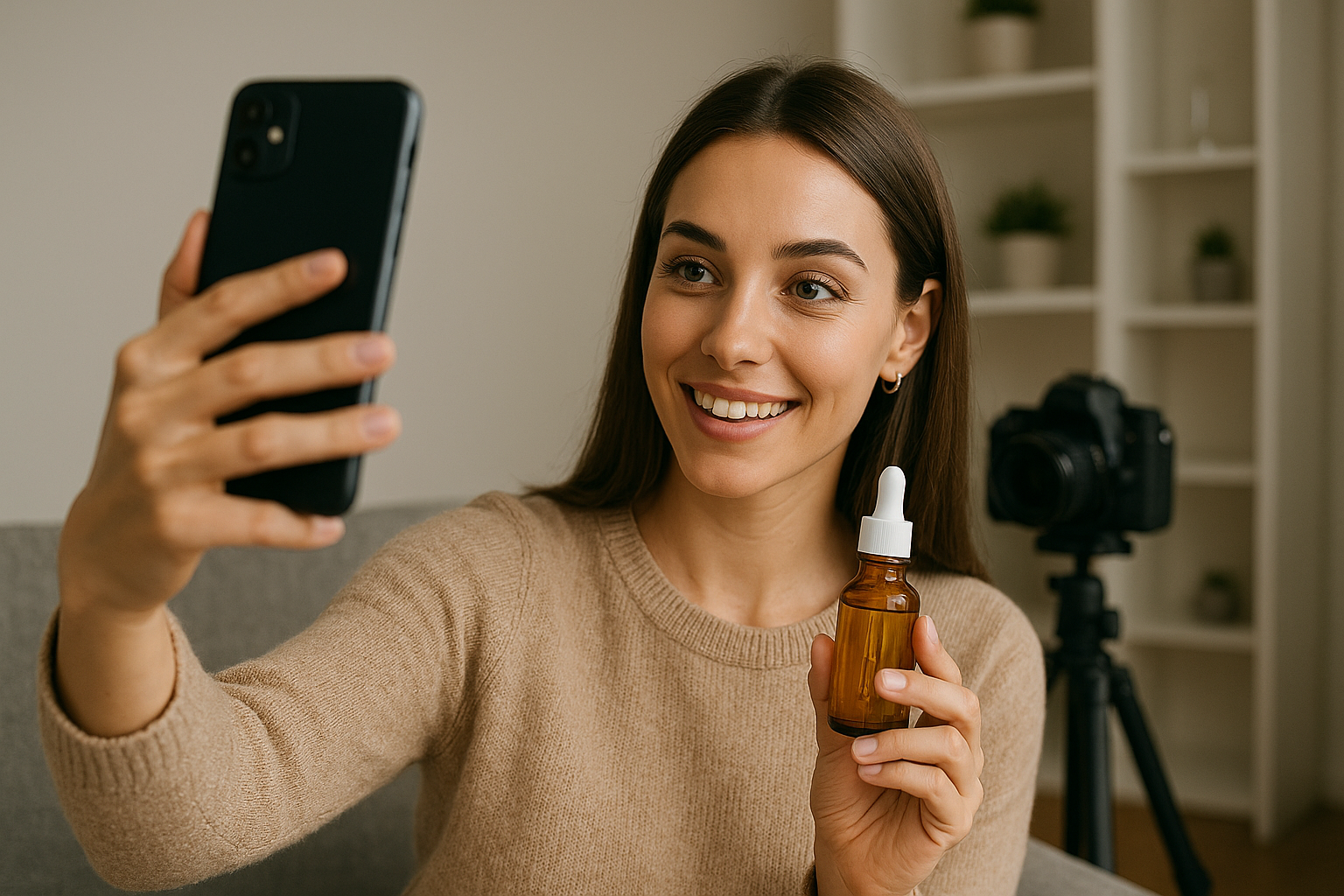
In today's digital marketing landscape, micro-influencer marketing campaigns have become the secret weapon for brands seeking authentic engagement. Unlike celebrity endorsements, micro influencers deliver higher engagement rates and genuine connections with niche audiences. This comprehensive guide will walk you through creating and executing a successful micro-influencer marketing strategy that drives real results.
What Are Micro-Influencers and Why They Matter
Micro influencers are content creators with 10,000 to 100,000 followers who specialize in specific niches. Their smaller, highly engaged audiences trust their recommendations more than traditional advertising. For businesses looking to maximize their marketing strategy, partnering with micro influencers offers:
- Higher engagement rates (up to 60% more than macro influencers)
- Cost-effective campaign execution
- Authentic brand storytelling
- Targeted reach within specific demographics
Nano influencers (1,000-10,000 followers) can be even more effective for hyper-local or niche markets, offering **instagram engagement** rates that larger influencers simply can't match.
Step 1: Define Your Campaign Goals and Strategy
Before launching your influencer campaign, establish clear objectives. Are you focused on brand awareness, lead generation, or direct sales? Your goals will shape every aspect of your **influencer marketing agency** approach.
Key Performance Indicators to Track:
- Engagement rate (likes, comments, shares)
- Reach and impressions
- Website traffic and conversions
- Affiliate marketing sales (if applicable)
- Brand sentiment and mentions
Align your content marketing goals with measurable KPIs to ensure campaign success and ROI tracking.
Step 2: Finding the Right Micro-Influencers
The success of your campaign for influencers hinges on choosing the right partners. Use these methods to discover authentic creators:
Manual Research Methods:
- Explore relevant hashtags on social media platforms
- Check your brand mentions and engaged followers
- Review competitor collaborations
- Join niche communities and groups
Using Technology:
- Influencer finder tools like AspireIQ, Upfluence, or Infloq's AI-powered matching
- Influencer platform databases with filtering options
- Insta tools for analyzing audience demographics like Instagram Audit and Engagement Checker
- Influencer management software for tracking campaigns
- AI-powered platforms that use data-driven selection based on real performance metrics
Look for creators whose values align with your brand, who have authentic instagram engagement, and whose audience matches your target demographic. Verify influencer authenticity by checking engagement rates and audience quality - platforms with built-in verification processes can save time and reduce the risk of fake followers. An influencer company or digital marketing agency can help streamline this process if you're working with limited resources.
Step 3: Craft a Compelling Outreach Strategy
Your initial contact sets the tone for the entire partnership. Create personalized outreach messages that demonstrate you've researched their content and understand their audience.
Outreach Best Practices:
- Use email campaign tools like ActiveCampaign for organized communication
- Personalize every message with specific references to their content
- Clearly outline campaign expectations and deliverables
- Be transparent about compensation (monetary, products, or commission-based affiliate marketing)
- Provide creative freedom while maintaining brand guidelines
An influencer marketing agency approach means treating creators as partners, not just advertising channels. Build relationships that extend beyond single campaigns.
Step 4: Structure Your Campaign for Success
Once you've selected your micro-influencers, establish clear campaign parameters:
Campaign Elements:
- Content deliverables: Number of posts, stories, reels, or videos
- Timeline: Content creation and posting schedule
- Messaging: Key brand points while allowing authentic voice
- Hashtags and mentions: Branded tags and account mentions
- Disclosure requirements: FTC compliance for sponsored content
- Performance metrics: How success will be measured
Consider integrating your influencer campaign with broader digital marketing efforts like email marketing, search engine marketing, and performance marketing initiatives for maximum impact. Modern platforms now offer performance-based pricing models where you pay per click or conversion rather than per post, ensuring better ROI and aligning costs with actual results.
Step 5: Execute and Monitor Your Campaign
During campaign execution, maintain open communication with your micro-influencer partners. Use influencer management tools to track:
- Content approval workflows
- Publishing schedules
- Real-time engagement metrics
- Audience sentiment and feedback
- Social media marketing performance across platforms
Your marketing agency or internal team should monitor campaigns daily, addressing issues promptly and celebrating wins with your creator partners.
Step 6: Measure Results and Optimize
After your micro influencer campaign concludes, conduct thorough analysis:
Key Metrics to Evaluate:
- Total reach and impressions
- Engagement rate by content type
- Click-through rates to your website
- Conversion rates and sales (for affiliate marketing campaigns)
- Cost per engagement/acquisition
- Brand sentiment changes
Compare results against your initial goals and industry benchmarks. Use these insights to refine your online marketing strategy for future campaigns.
Advanced Tips for Micro-Influencer Campaign Success
Leverage AI-Powered Matching
Modern influencer platform solutions use artificial intelligence to analyze brand requirements and match them with verified creators based on real performance data, not just follower counts. AI-powered matching considers engagement patterns, audience demographics, content quality, and past campaign success to create optimal partnerships. This data-driven approach significantly reduces the time spent on manual research while improving campaign outcomes.
Build Long-Term Partnerships
Rather than one-off collaborations, develop ongoing relationships with top-performing micro influencers. This creates authentic brand advocacy and better ROI over time.
Create Ambassador Programs
Transform successful micro-influencer partnerships into formal ambassador programs with recurring collaborations, exclusive perks, and deeper brand integration.
Leverage User-Generated Content
Repurpose influencer-created content across your owned channels, including your website, social media, and email marketing campaigns. This extends campaign value and provides social proof.
Integrate Multi-Channel Strategies
Combine micro-influencer efforts with your broader digital marketing agency initiatives, including content marketing, search engine marketing, and performance marketing for cohesive brand messaging.
Adopt Performance-Based Models
Consider platforms that offer pay-per-performance pricing where you only pay for actual clicks, conversions, or views rather than flat fees per post. This performance-based approach ensures your budget is spent on results, not potential, and provides automatic refunds if content significantly underperforms expectations. This model aligns incentives between brands and creators, encouraging authentic engagement over vanity metrics.
Common Mistakes to Avoid
When running your influencer marketing campaign, steer clear of these pitfalls:
- Choosing influencers based solely on follower count rather than engagement
- Restricting creative freedom too heavily
- Neglecting FTC disclosure requirements
- Failing to track and measure results
- Ignoring audience authenticity (beware of fake followers)
- Not providing clear campaign briefs
- Overlooking micro and nano influencers in favor of bigger names
Tools and Resources for Campaign Management
Streamline your influencer campaign with these essential tools:
Influencer Discovery & Management:
- Influencer platform solutions: Aspire, Upfluence, CreatorIQ, Infloq
- AI-powered creator matching for data-driven selection
- Verified creator networks with quality assurance
Analytics & Tracking:
- Instagram Audit and Engagement Checker tools
- TikTok, YouTube, and multi-platform analytics
- Fake follower detection tools
- Google Analytics, native social media insights
Campaign Execution:
- Email campaign management: ActiveCampaign, Mailchimp
- Content approval workflow systems
- Insta tools: Later, Hootsuite, Sprout Social
- Contract management: PandaDoc, DocuSign
Payment & Performance:
- Payment processing: PayPal, Stripe
- Performance-based pricing platforms
- ROI tracking dashboards
Frequently Asked Questions
How much does a micro-influencer marketing campaign cost? Micro-influencer campaigns typically range from $100-$500 per post for traditional flat-rate models. However, performance-based pricing models are becoming increasingly popular, where brands pay based on actual clicks, views, or conversions. This approach often proves more cost-effective for small to medium businesses, as you only pay for measurable results rather than potential reach.
What's the difference between micro influencers and nano influencers? Nano influencers have 1,000-10,000 followers with highly engaged niche audiences, while micro influencers have 10,000-100,000 followers. Both offer authentic engagement but serve different campaign scales.
How do I measure micro-influencer campaign success? Track engagement rates, reach, website traffic, conversions, and ROI. Compare results against your established KPIs and industry benchmarks to evaluate performance marketing effectiveness.
Should I work with an influencer marketing agency? If you lack in-house expertise or time for influencer management, an influencer marketing agency can provide strategy, creator relationships, and campaign execution. For smaller budgets, consider starting with DIY efforts using influencer finder tools and AI-powered platforms that automate creator discovery, verification, and matching. Many modern platforms offer free trials and tiered pricing to accommodate businesses of all sizes.
How can I verify influencer authenticity before partnering? Use verification tools to check for fake followers, analyze engagement quality, and review audience demographics. Look for platforms that offer built-in verification processes, checking metrics like engagement rate consistency, audience growth patterns, and comment authenticity. Tools like Instagram Audit, engagement checkers, and fake follower detectors can reveal whether an influencer's following is genuine or artificially inflated through bots and purchased followers.
Conclusion
Running a successful micro-influencer marketing campaign requires strategic planning, authentic partnerships, and consistent measurement. By following this guide, you'll create campaigns that drive genuine engagement, build brand awareness, and deliver measurable ROI. Remember, the key to influencer marketing success lies in choosing the right creators, fostering authentic relationships, and integrating these efforts into your broader digital marketing and marketing strategy. Start small, test different approaches, and scale what works for your brand's unique goals and audience.
Ready to launch your micro-influencer campaign? Begin by identifying 5-10 potential creators in your niche and craft personalized outreach messages that demonstrate genuine interest in collaboration. With the right strategy and partners, your micro influencer campaign will become a powerful driver of growth for your business.