Infloq: Social Media 2.0 and the Evolution of Influencer Marketing — Creator Discovery, Campaign Management, Analytics, Ecommerce Workflows, Affiliates, Payments
Social Media 2.0: The Evolution of Influencer Marketing in the Next Digital Era
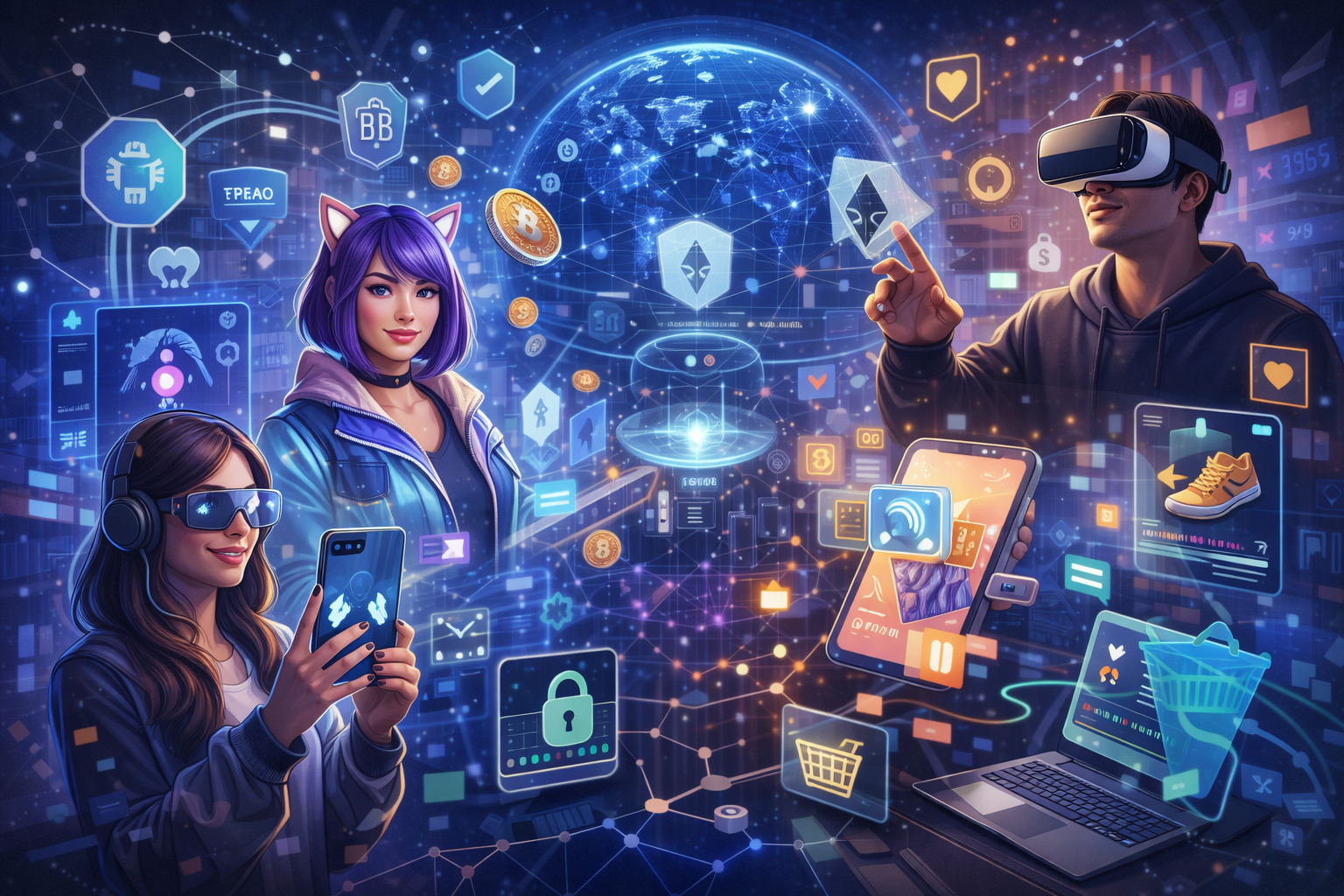
As we stand on the brink of a new digital revolution, Social Media 2.0 is fundamentally transforming how brands connect with audiences through influencer marketing. This next generation of social platforms combines artificial intelligence, blockchain technology, virtual reality, and decentralized networks to create more authentic, transparent, and engaging experiences. For influencer marketers, understanding and adapting to Social Media 2.0 isn't just an opportunity—it's essential for staying relevant in 2026 and beyond.
The shift from traditional social media to Social Media 2.0 represents more than just technological advancement; it's a complete reimagining of how content is created, shared, and monetized. With the global creator economy expected to reach $480 billion by 2027, brands that embrace these emerging platforms and technologies will gain significant competitive advantages.
Understanding Social Media 2.0
Social Media 2.0 represents the next evolutionary phase of digital social interaction, characterized by decentralization, user ownership, immersive experiences, and AI-powered personalization. Unlike traditional social platforms controlled by centralized entities, Social Media 2.0 empowers users with greater control over their data, content, and economic opportunities.
Core Characteristics of Social Media 2.0:
Decentralization and User Ownership:
- Blockchain-based platforms where users own their content and data
- Cryptocurrency-based creator monetization systems
- Decentralized autonomous organizations (DAOs) for community governance
- NFT-based content ownership and trading
AI-Powered Personalization:
- Advanced content recommendation algorithms
- AI-generated content and virtual influencers
- Personalized shopping experiences integrated into social feeds
- Real-time content optimization based on audience response
Immersive Experiences:
- Virtual and augmented reality social spaces
- 3D virtual worlds and metaverse integration
- Spatial audio and haptic feedback for enhanced engagement
- Interactive live streaming with virtual environments
Creator Economy Enhancement:
- Direct fan monetization through tokens and subscriptions
- Transparent analytics and performance metrics
- Automated contract execution through smart contracts
- Cross-platform creator verification and reputation systems
The Impact on Influencer Marketing
Social Media 2.0 is revolutionizing every aspect of influencer marketing, from creator discovery and campaign execution to audience engagement and performance measurement.
1. Enhanced Creator Authenticity and Trust
Traditional social media has struggled with fake followers, engagement pods, and inauthentic content. Social Media 2.0 addresses these issues through blockchain verification and AI-powered authenticity detection.
Blockchain-Based Verification:
- Immutable creator credential verification
- Transparent follower and engagement authenticity
- Smart contract-based campaign agreements
- Decentralized reputation scoring systems
AI-Powered Authenticity Detection:
- Real-time fake follower identification
- Content authenticity verification
- Automated bot and spam detection
- Audience quality scoring for better creator selection
2. New Monetization Models for Creators
Social Media 2.0 introduces innovative monetization mechanisms that provide creators with more sustainable income streams and brands with better ROI tracking.
Token-Based Creator Economy:
- Creator-specific cryptocurrencies for fan engagement
- NFT collaborations and limited edition content
- Decentralized fan funding through tokens
- Automated revenue sharing through smart contracts
Subscription and Membership Models:
- Exclusive content access through blockchain-verified memberships
- Tiered creator access with different benefit levels
- Community-driven content creation and curation
- Direct creator-to-fan economic relationships
3. Immersive Brand Experiences
Virtual and augmented reality capabilities in Social Media 2.0 enable brands to create unprecedented immersive experiences through influencer partnerships.
Virtual Reality Collaborations:
- 3D product demonstrations in virtual spaces
- Virtual events and launch parties hosted by creators
- Immersive brand storytelling through VR content
- Virtual try-on experiences guided by influencers
Augmented Reality Integration:
- AR filters and effects created in collaboration with brands
- Virtual product placement in real-world creator content
- Interactive AR shopping experiences
- Location-based AR campaigns with creator participation
Key Platforms Driving Social Media 2.0
1. Decentralized Social Networks
Lens Protocol and Farcaster:
- Blockchain-based social graphs owned by users
- Creator monetization through cryptocurrency
- Transparent algorithms and content distribution
- Cross-platform content portability
Mirror and Paragraph:
- Decentralized publishing platforms for creators
- NFT-based content monetization
- Transparent subscriber and engagement metrics
- Community-driven content curation
2. Virtual World Platforms
Horizon Worlds and VRChat:
- Immersive social spaces for creator events
- Virtual merchandise and experience creation
- 3D avatar-based influencer marketing
- Spatial audio for intimate creator-audience connections
Roblox and Minecraft:
- User-generated content platforms with massive creator economies
- Brand activations through virtual experiences
- Educational content creation opportunities
- Cross-generational audience engagement
3. AI-Enhanced Platforms
Character.AI and Replika:
- AI-powered virtual influencers and brand ambassadors
- Personalized audience interactions at scale
- 24/7 brand representation through AI characters
- Multi-language content creation and engagement
Leveraging Social Media 2.0 for Influencer Marketing
1. Strategic Platform Selection
Choose Social Media 2.0 platforms based on audience demographics, content format capabilities, and monetization opportunities.
Platform Evaluation Criteria:
- Target audience presence and engagement levels
- Creator monetization mechanisms and revenue potential
- Brand safety and content moderation policies
- Integration capabilities with existing marketing tools
- Future growth potential and platform stability
Infloq's Social Media 2.0 Integration: Infloq is pioneering the integration of Social Media 2.0 features, offering brands early access to:
- AI-powered creator matching for emerging platforms
- Cross-platform campaign management including Web3 social networks
- Blockchain-based campaign verification and payments
- Virtual reality campaign planning and execution tools
2. Creator Partnership Evolution
Social Media 2.0 enables deeper, more authentic creator partnerships through enhanced transparency and shared value creation.
Long-Term Creator Partnerships:
- Token-based creator investment and shared success models
- Collaborative content creation in virtual spaces
- Co-creation of NFT collections and digital assets
- Shared community building and audience development
Transparent Performance Tracking:
- Blockchain-based campaign performance verification
- Real-time audience authenticity monitoring
- Automated performance-based compensation
- Transparent ROI calculation and attribution
3. Content Strategy Adaptation
Develop content strategies that leverage the unique capabilities of Social Media 2.0 platforms while maintaining brand authenticity.
Immersive Content Creation:
- 360-degree video content for VR platforms
- Interactive AR experiences integrated into creator content
- 3D product demonstrations and virtual showrooms
- Spatial audio content for enhanced intimacy
Community-Driven Content:
- Collaborative content creation with audience participation
- User-generated content campaigns in virtual worlds
- Community voting on creator collaboration directions
- Decentralized content curation and promotion
Emerging Technologies Shaping the Future
1. Artificial Intelligence Integration
AI is becoming increasingly sophisticated in Social Media 2.0, enabling new forms of content creation and audience engagement.
AI-Powered Content Creation:
- Automated content generation based on brand guidelines
- Real-time content optimization for maximum engagement
- Personalized content variations for different audience segments
- AI-assisted video editing and post-production
Virtual Influencer Development:
- AI-powered virtual brand ambassadors
- Scalable influencer interactions through chatbots
- Cross-cultural virtual influencers for global campaigns
- Emotional intelligence integration for authentic interactions
2. Blockchain and Web3 Integration
Blockchain technology is enabling new forms of creator verification, content ownership, and monetization.
Smart Contract Automation:
- Automated influencer payment based on performance metrics
- Transparent campaign terms and execution tracking
- Decentralized arbitration for campaign disputes
- Cross-platform creator credential verification
NFT and Digital Asset Marketing:
- Limited edition content collaborations
- Virtual merchandise creation and sales
- Digital collectible campaigns with creators
- Metaverse real estate partnerships
3. Extended Reality (XR) Experiences
The integration of virtual reality, augmented reality, and mixed reality is creating new opportunities for immersive brand experiences.
Virtual Event Marketing:
- Creator-hosted virtual product launches
- Immersive brand experience design
- Virtual conference and workshop participation
- 3D showroom creation and management
AR Shopping Integration:
- Try-before-you-buy experiences through creator content
- Virtual styling sessions with fashion influencers
- Interactive product demonstrations in real environments
- Location-based AR campaigns with creator participation
Challenges and Considerations
1. Technical Complexity and Learning Curves
Social Media 2.0 platforms often require new technical skills and understanding of emerging technologies.
Technical Challenges:
- Blockchain wallet management and cryptocurrency transactions
- VR/AR content creation tools and equipment
- Platform-specific content optimization requirements
- Integration with existing marketing technology stacks
Solutions and Best Practices:
- Invest in team training and education on emerging technologies
- Partner with specialized agencies experienced in Web3 marketing
- Start with pilot campaigns to build internal capabilities
- Utilize platforms like Infloq that simplify Social Media 2.0 integration
2. Regulatory and Compliance Considerations
The evolving nature of Social Media 2.0 presents new regulatory challenges for brands and creators.
Key Regulatory Areas:
- Cryptocurrency and token-based payments compliance
- Data privacy in decentralized environments
- Cross-border virtual asset regulations
- Intellectual property rights in virtual worlds
Risk Mitigation Strategies:
- Work with legal experts specializing in Web3 and digital assets
- Develop clear terms of service for virtual experiences
- Implement robust data protection measures
- Maintain transparency in all blockchain-based transactions
3. Audience Adoption and Education
While Social Media 2.0 offers significant opportunities, audience adoption varies significantly across demographics and regions.
Adoption Considerations:
- Younger demographics show higher adoption rates for Web3 platforms
- Technical barriers may limit mainstream adoption initially
- Regional differences in cryptocurrency and blockchain acceptance
- Education requirements for audiences new to these technologies
Measuring Success in Social Media 2.0
1. New Metrics and KPIs
Social Media 2.0 introduces new performance metrics that go beyond traditional engagement measurements.
Blockchain-Based Metrics:
- Token holder engagement and loyalty
- NFT collection performance and secondary market value
- Smart contract execution success rates
- Decentralized reputation scores
Immersive Experience Metrics:
- Virtual event attendance and engagement duration
- AR filter usage and sharing rates
- 3D content interaction levels
- Spatial audio engagement measurements
Community Ownership Metrics:
- User-generated content volume and quality
- Community governance participation rates
- Peer-to-peer referral and sharing patterns
- Long-term audience retention and growth
2. ROI Calculation in Token-Based Economies
Measuring return on investment becomes more complex when dealing with cryptocurrency-based campaigns and tokenized creator economies.
Token Economy ROI Factors:
- Token value appreciation and marketplace performance
- Creator token holder conversion to customers
- Long-term community value and engagement
- Cross-platform token utility and adoption
Preparing Your Brand for Social Media 2.0
1. Infrastructure Development
Build the necessary infrastructure to participate effectively in Social Media 2.0 platforms.
Technology Infrastructure:
- Cryptocurrency wallet and payment systems
- VR/AR content creation capabilities
- Blockchain analytics and monitoring tools
- Cross-platform campaign management systems
Team Capabilities:
- Web3 marketing expertise and knowledge
- Virtual reality content creation skills
- Community management in decentralized environments
- Data analysis for blockchain-based metrics
2. Strategic Platform Partnerships
Develop strategic partnerships with leading Social Media 2.0 platforms and service providers.
Platform Partnership Benefits:
- Early access to new features and capabilities
- Preferred creator and audience access
- Technical support and integration assistance
- Co-marketing and promotional opportunities
Recommended Platform: Infloq's Web3 Integration: Infloq offers comprehensive Social Media 2.0 capabilities including:
- Native Web3 creator discovery and verification
- Cryptocurrency-based payment systems
- Virtual reality campaign management tools
- Cross-platform analytics for traditional and decentralized social media
Future Predictions for Social Media 2.0
1. Mainstream Adoption Timeline
2026-2027: Early Majority Adoption
- Major brands establish regular Social Media 2.0 presence
- Creator economy fully integrates token-based monetization
- AR/VR content becomes standard for product marketing
- Regulatory frameworks mature for cryptocurrency marketing
2027-2028: Mass Market Integration
- Traditional social platforms integrate Web3 features
- Virtual influencer marketing reaches mainstream acceptance
- Immersive commerce becomes primary shopping method
- Cross-platform creator reputation systems become standard
2. Technology Evolution Predictions
Enhanced AI Capabilities:
- Real-time emotion recognition and response in virtual environments
- Automated content creation indistinguishable from human creation
- Predictive audience behavior modeling across virtual and real worlds
- Universal language translation for global creator collaboration
Advanced Immersive Technologies:
- Haptic feedback integration for tactile brand experiences
- Brain-computer interface experiments for direct engagement
- Photorealistic virtual influencers with authentic personalities
- Seamless mixed reality integration in daily social interactions
Conclusion
Social Media 2.0 represents a fundamental shift in how brands and creators connect with audiences, offering unprecedented opportunities for authentic engagement, transparent monetization, and immersive experiences. As we move into 2026 and beyond, the brands that embrace these emerging technologies and platforms will gain significant competitive advantages in the evolving creator economy.
The key to success in Social Media 2.0 lies in understanding that this evolution goes beyond just new platforms—it's about embracing new forms of value creation, community building, and authentic relationship development. By investing in the necessary infrastructure, capabilities, and partnerships, brands can position themselves at the forefront of this digital revolution.
Key Takeaways for Social Media 2.0 Success:
- Invest early in understanding and experimenting with Web3 social platforms
- Build technical capabilities for VR/AR content creation and blockchain integration
- Develop long-term creator partnerships based on shared value creation
- Utilize platforms like Infloq that simplify Social Media 2.0 integration and management
- Focus on authentic community building rather than just follower acquisition
- Prepare for new forms of measurement and ROI calculation in token-based economies
The future of influencer marketing is being written now in the emerging Social Media 2.0 landscape. Brands that start building their capabilities today will be best positioned to thrive in tomorrow's creator economy.
Ready to explore Social Media 2.0 opportunities for your brand? Discover Infloq's Web3 influencer marketing capabilities and start building your presence in the next generation of social media platforms.